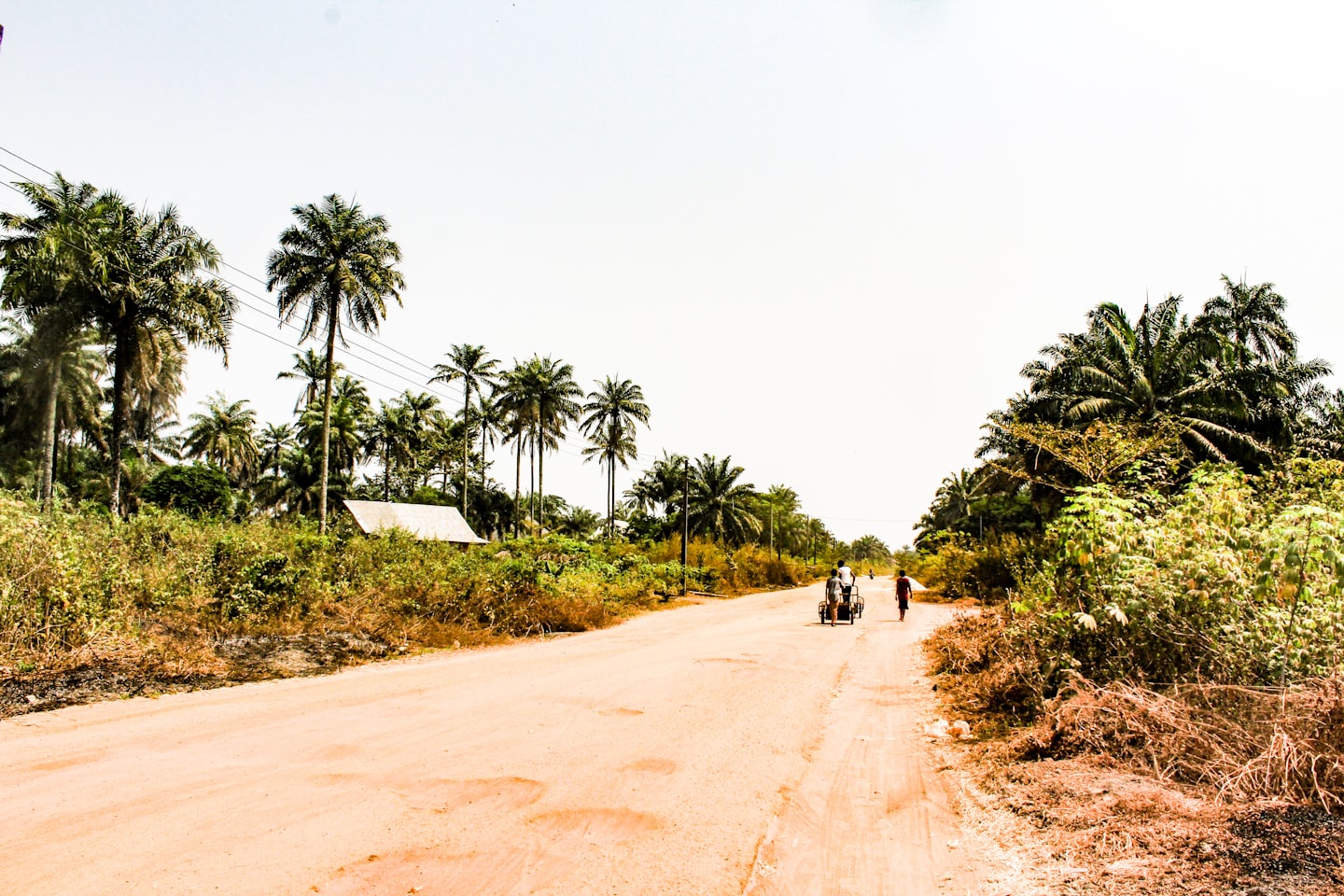
Scenes of Daily Life in Rural Ghana
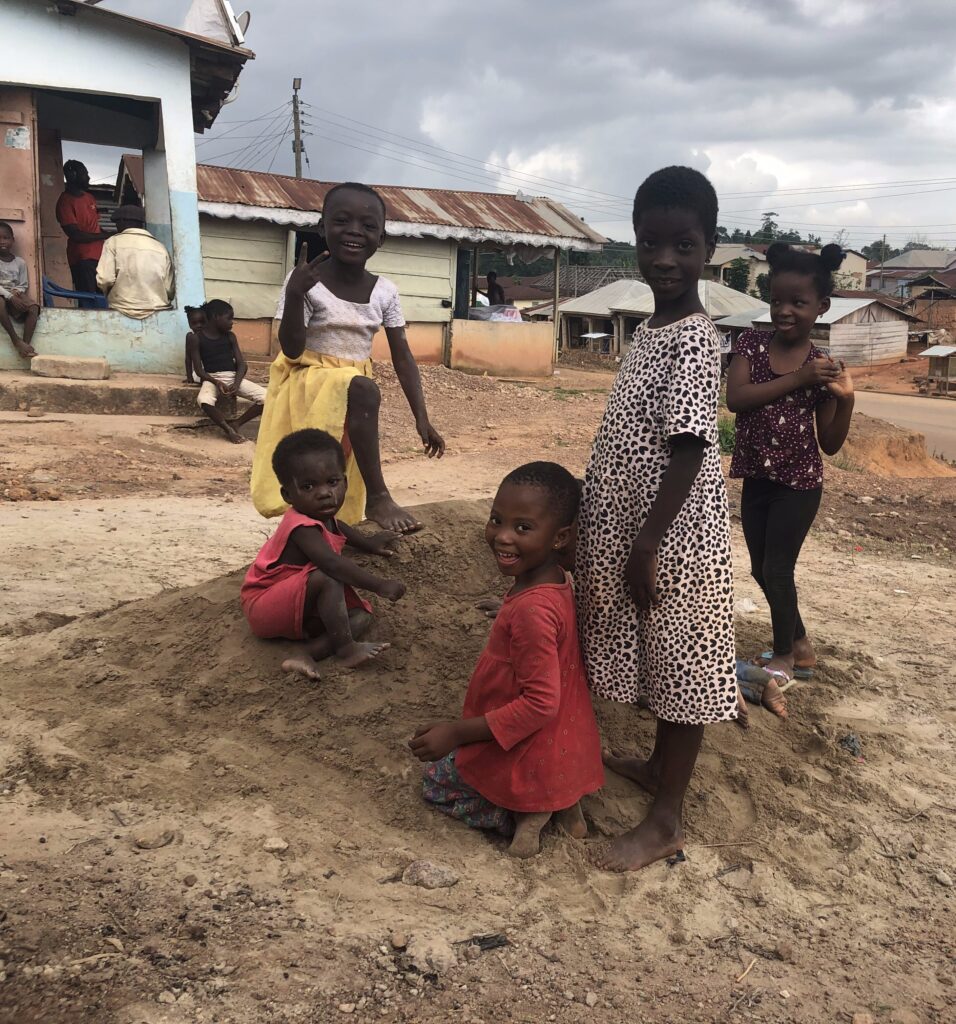
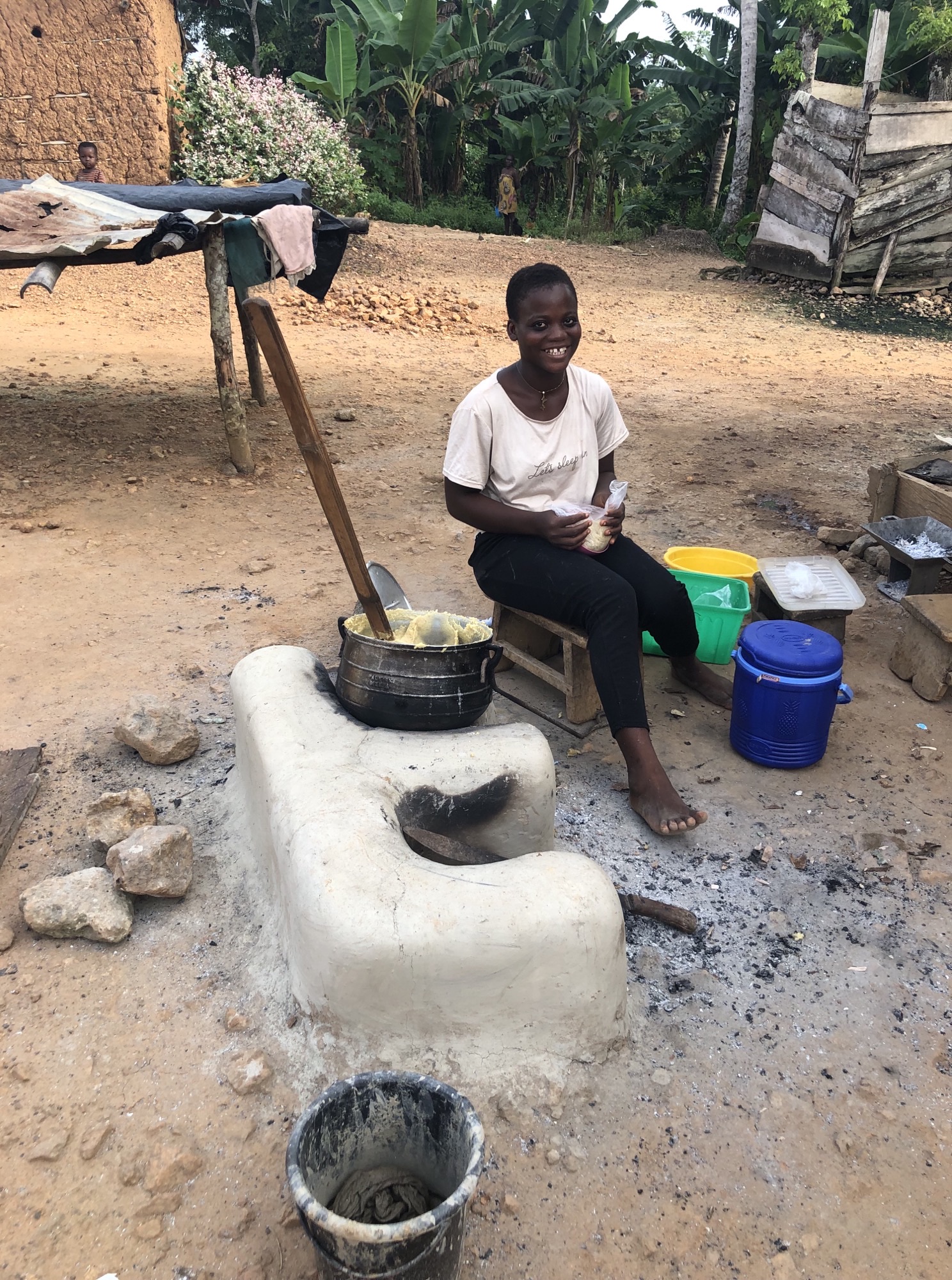
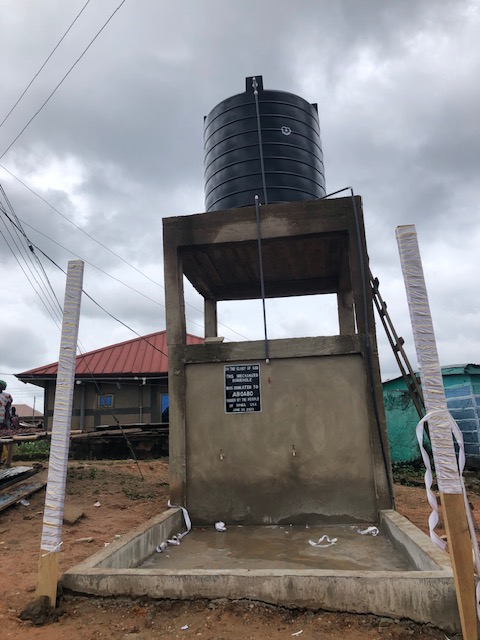
With the absence of playgrounds, children still find ways to have fun as shown in the photo below with their dirt mountain. Cooking outside is not uncommon. High costs and unreliable supply make electricity a luxury for many. Some villages have been fortunate to have wells donated and built to provide clean water to their communities. Individuals fill large jugs they carry on their heads for use in their homes.
Schools in Rural Ghana
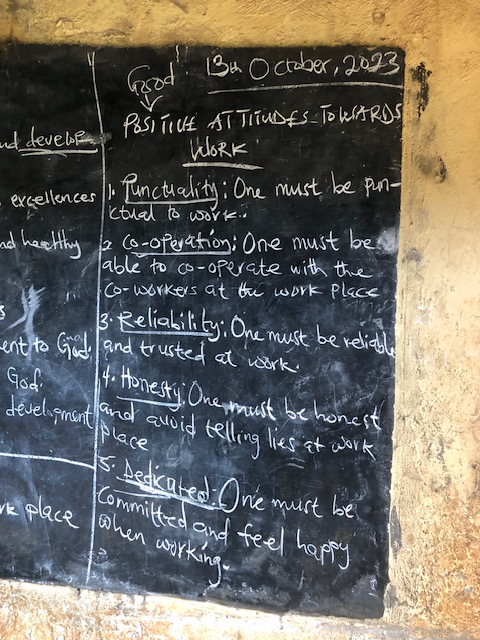
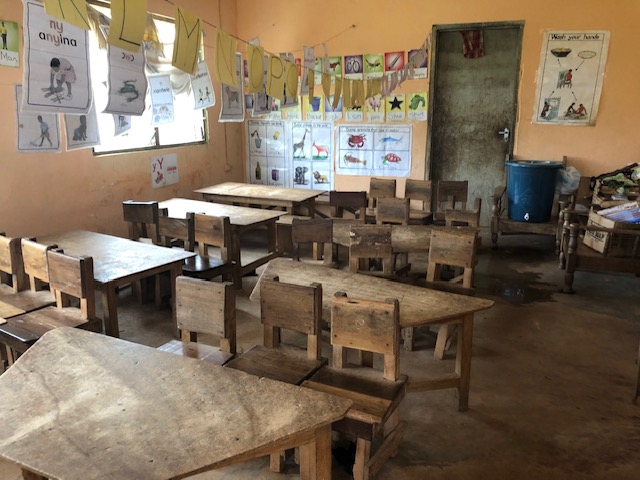
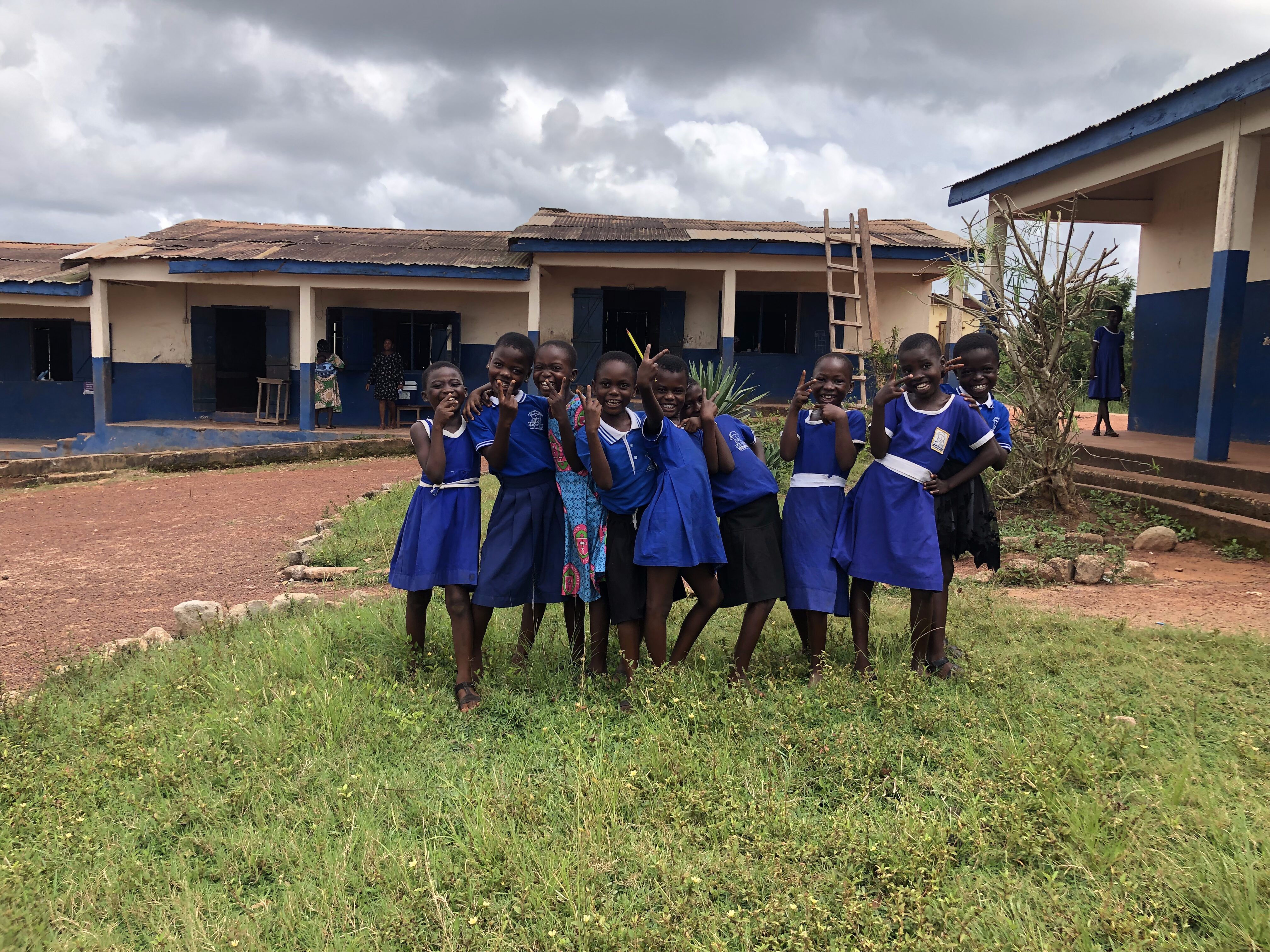
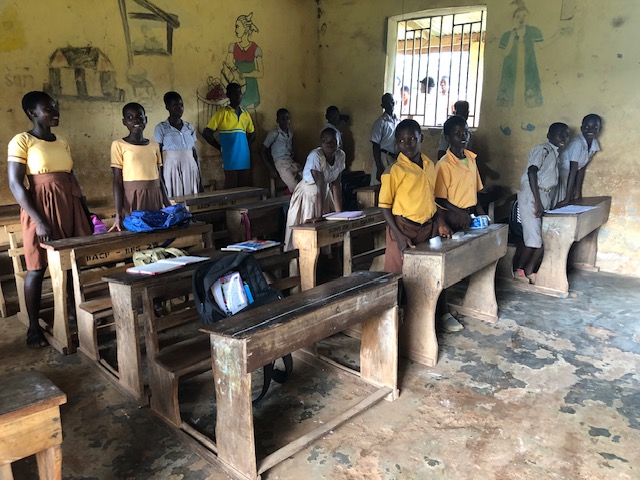
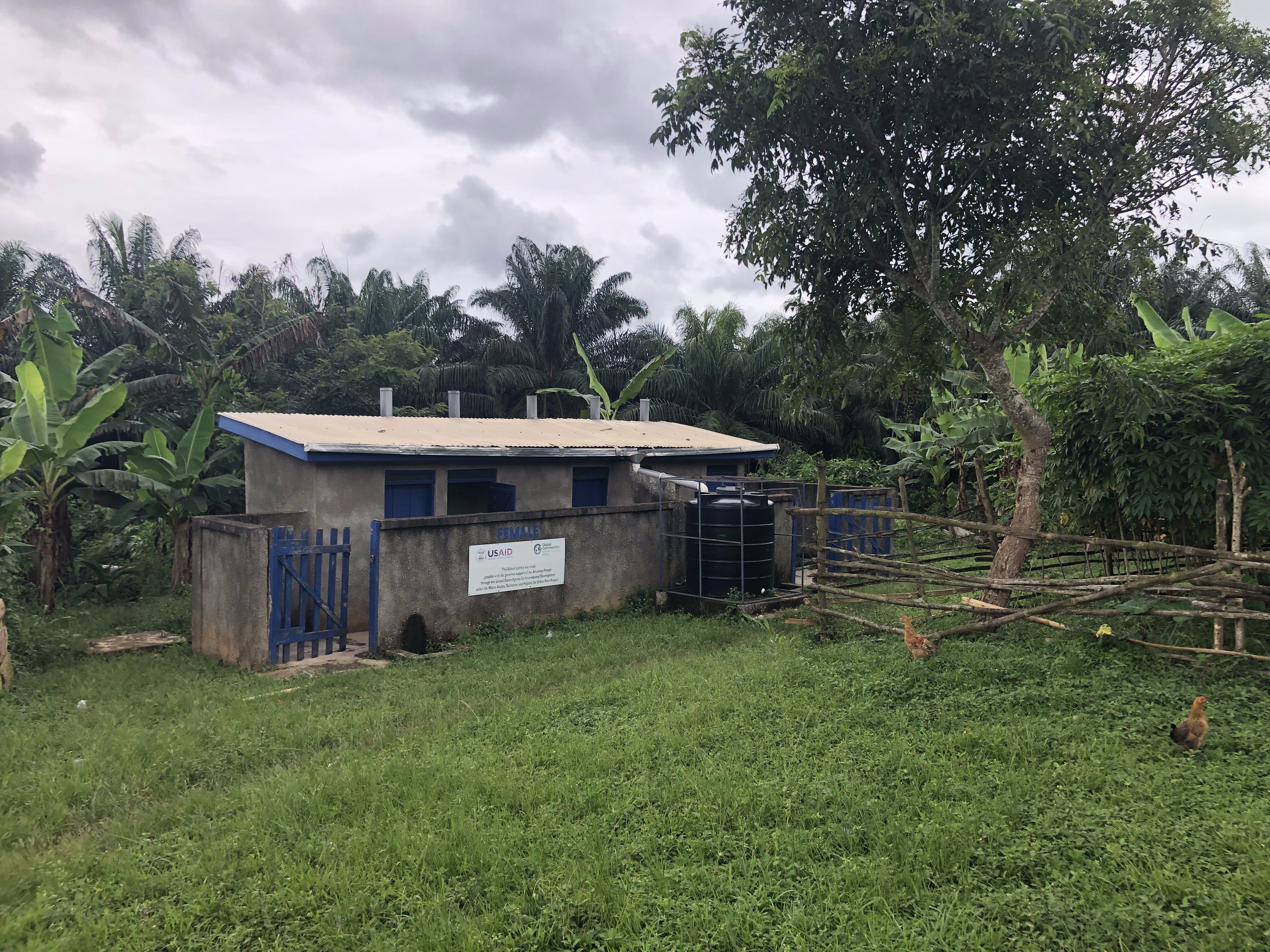
Although Ghanaians speak local dialects, such as Fante or Twi, English is the official language in Ghana and all classes are taught in English. Below are photos of typical schools seen in rural Ghana. Classrooms are sparsely furnished, there are no libraries, computers, or playground equipment. Most of the basic schools do not furnish any type of school meals. Students may be able to purchase food (e.g., plantain) from a canteen. If restroom facilities exist, they tend to be located in a separate building away from the school.
Community Health Posts
Community health posts exist in rural communities, but due to lack of funds they are sparsely furnished with very limited supplies and medical equipment. The health facility shown below serves 5000 people.
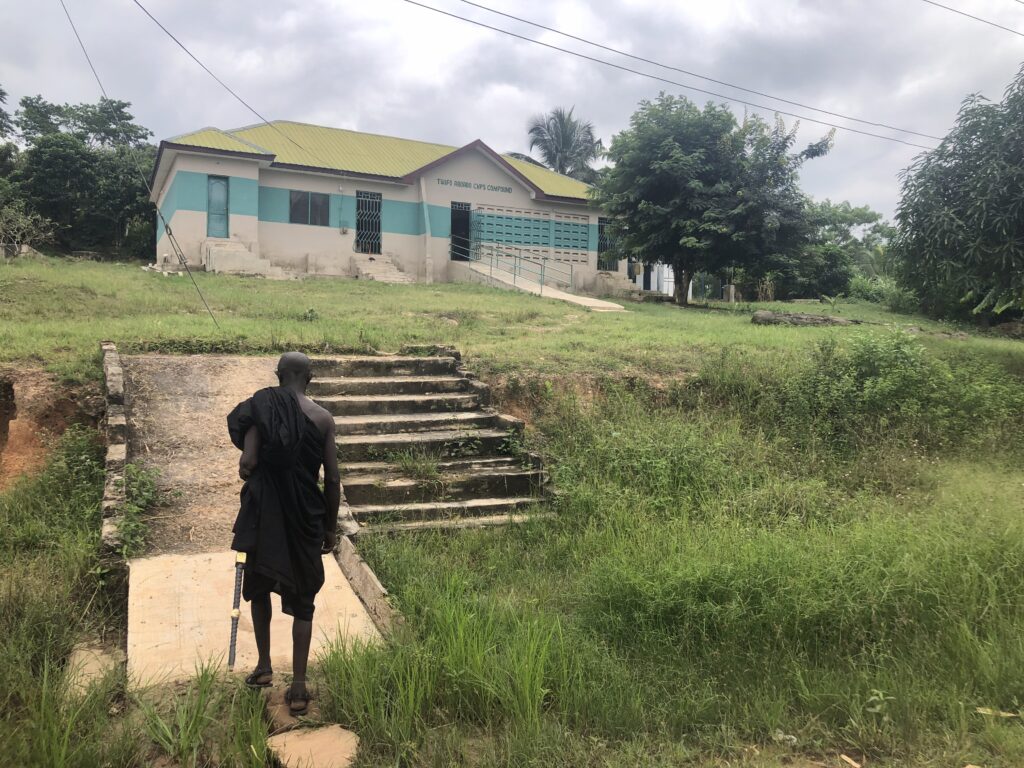
Community Health Post
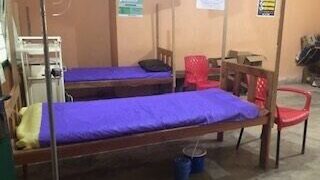
Examination Room
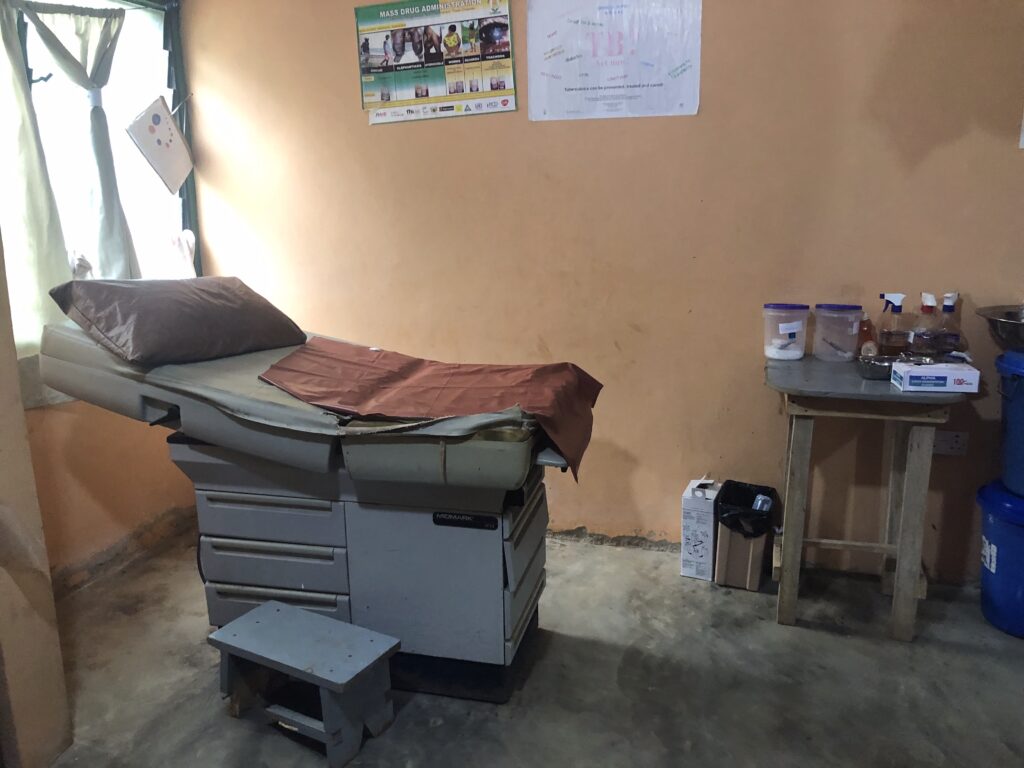
Typically 80-90 babies born here a year
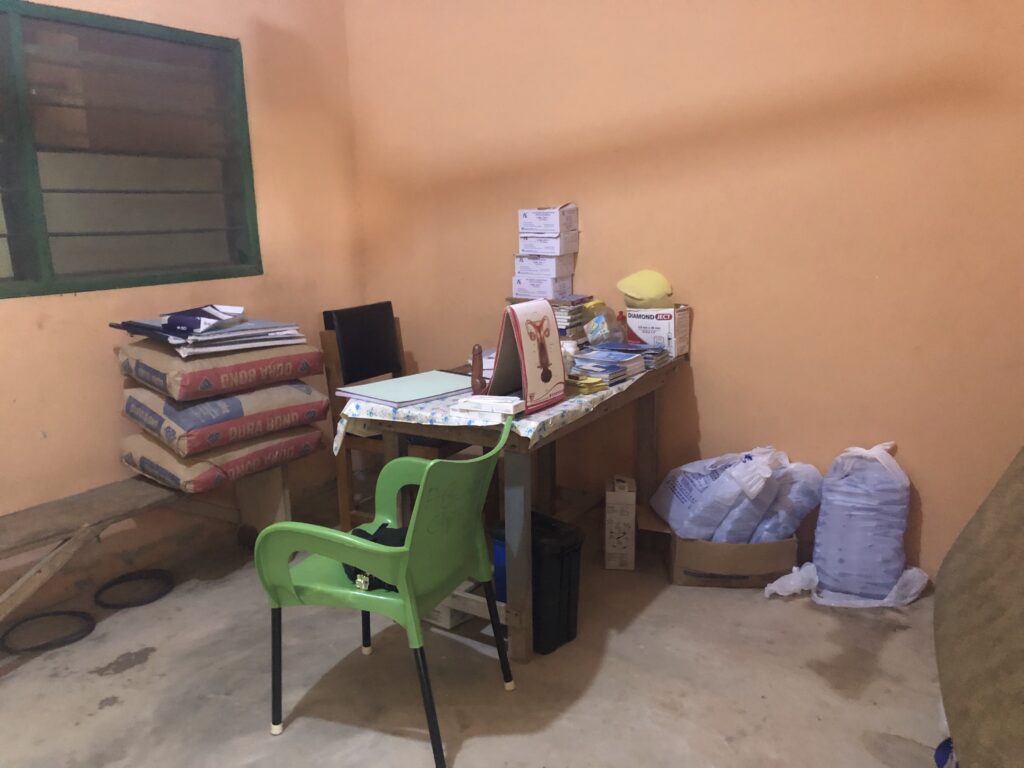
Family Planning Room
Agriculture in Rural Ghana
Cocoa is the major export in the Central Region, alongside other exports such as palm oil and rubber. Crops are driven by subsistence farming.
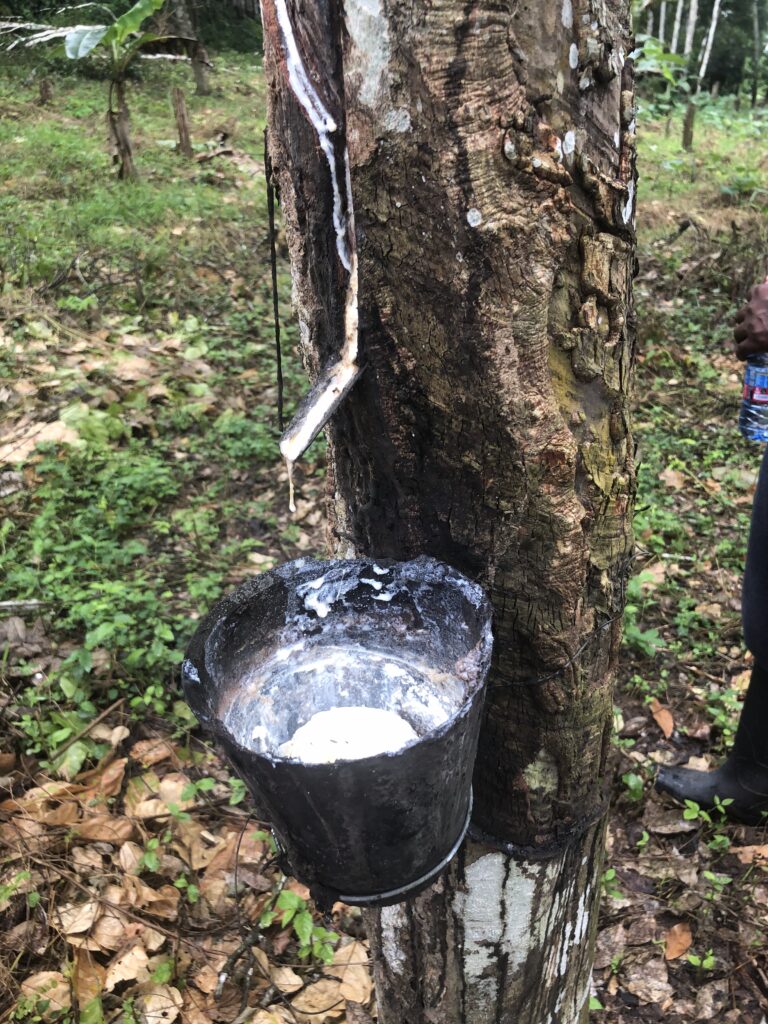
Rubber
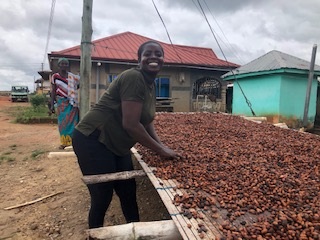
Cocoa beans
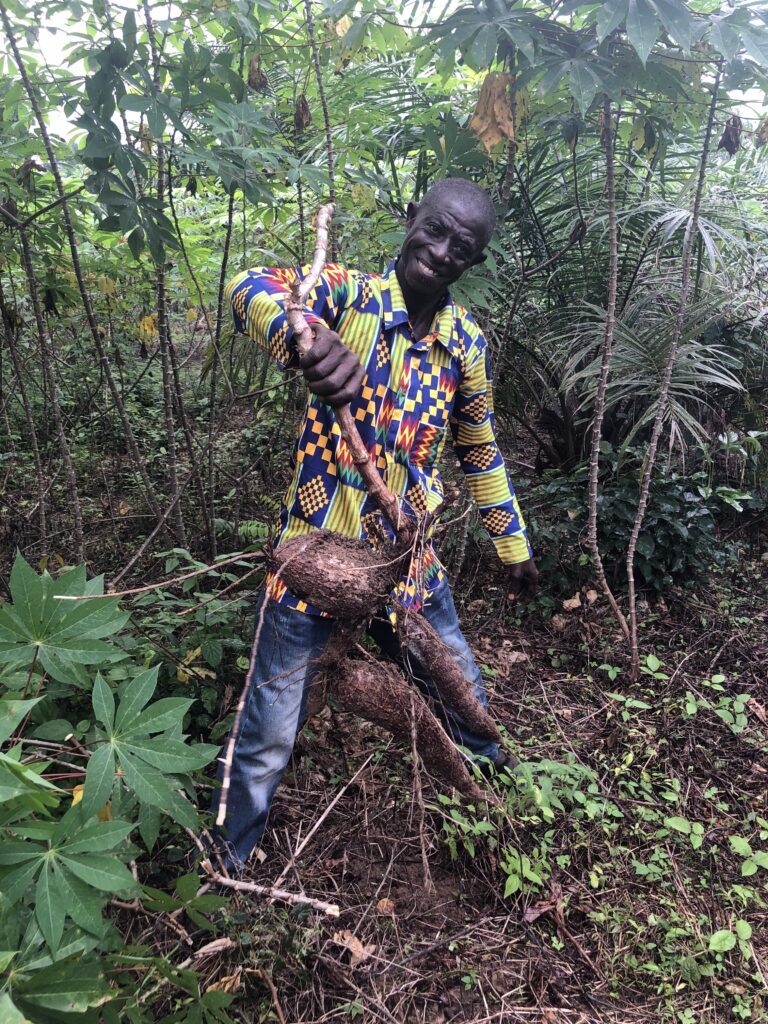
Cassava
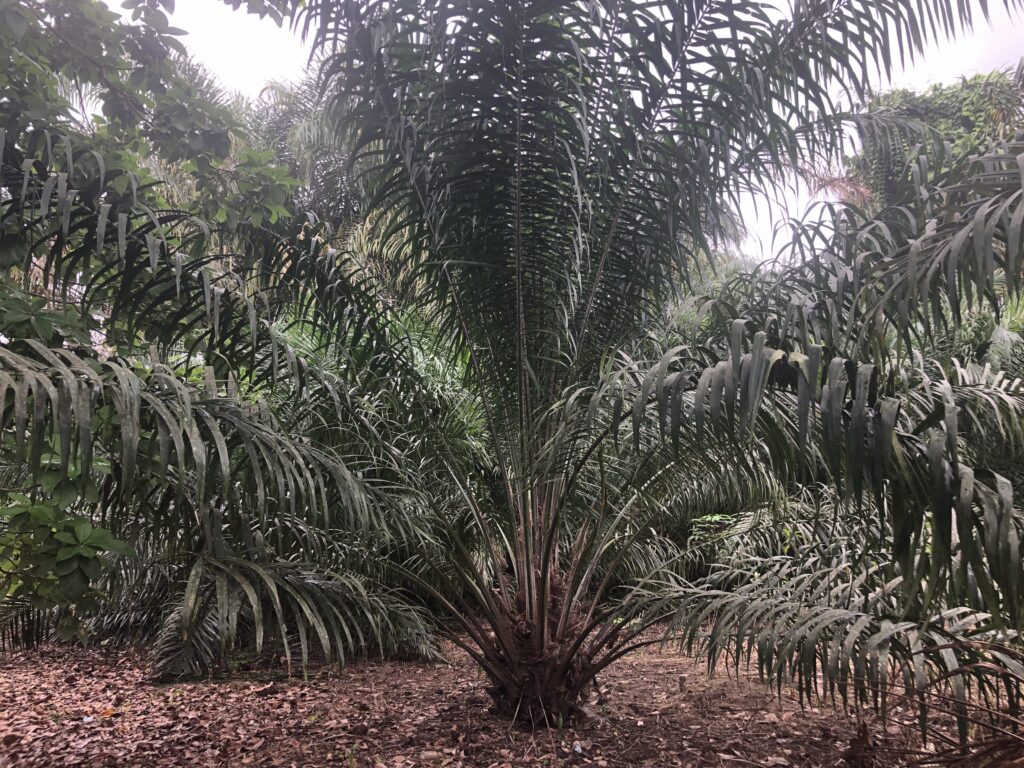
Palm oil
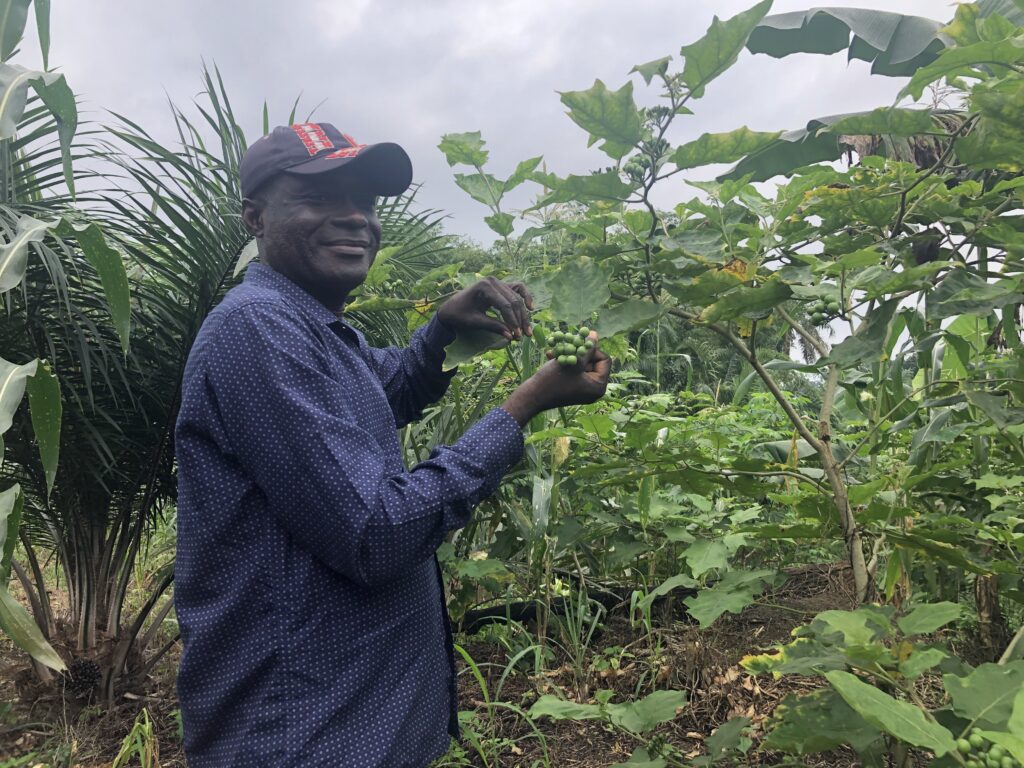
Garden eggs
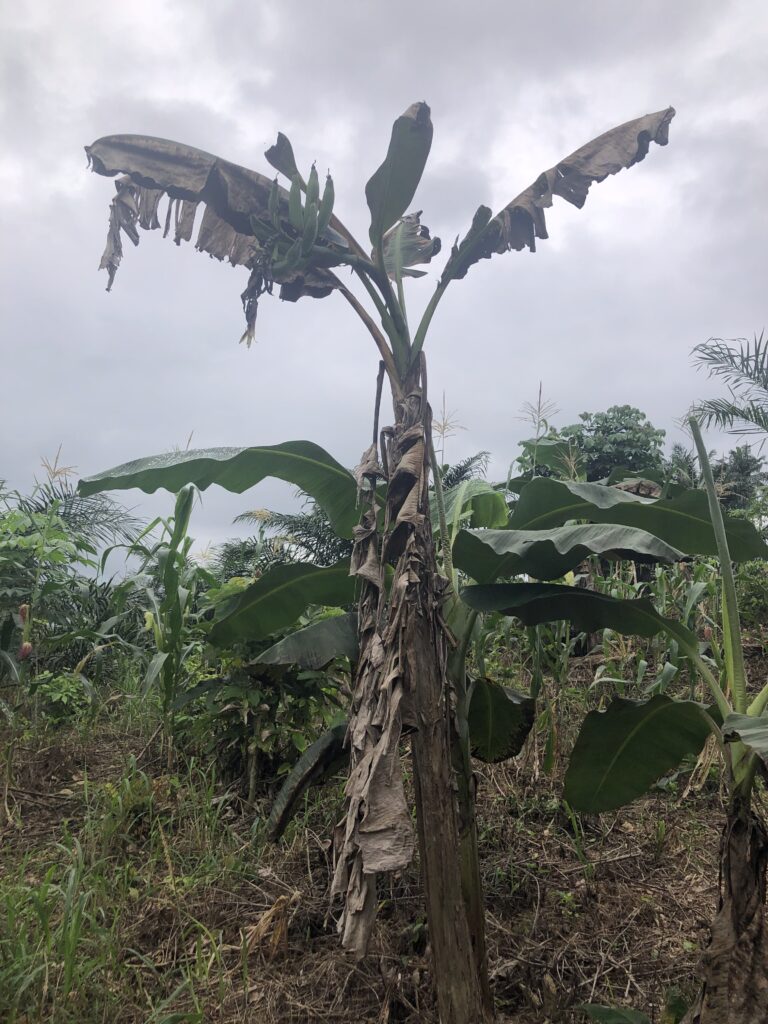
Plantain